Geneva Breakthrough? US-Iran Nuclear Discussions & Sanctions Relief
The diplomatic landscape surrounding the long-standing tensions between the United States and Iran has recently seen a notable shift, with reports of "good progress" emerging from indirect **us iran nuclear discussions** held in Geneva. These crucial talks, focusing simultaneously on Iran's nuclear program and the potential lifting of international sanctions, represent a delicate dance towards de-escalation and a possible return to a more stable diplomatic footing. While skepticism remains, the latest developments offer a glimmer of cautious optimism, particularly as the focus now shifts to technical negotiations in Vienna.
A Glimmer of Hope: Unpacking the Geneva Progress
Following an intense round of indirect talks in Geneva, both Iranian Foreign Minister Abbas Araghchi and Oman's Foreign Minister Badr Albusaidi, a key mediator, lauded the significant strides made. Araghchi, speaking after the talks, characterized them as the "most intense" to date, indicating a serious engagement on core issues. "We made very good progress and entered into the elements of an agreement very seriously, both in the nuclear field and in the sanctions field," Araghchi told state TV, highlighting a tangible movement beyond preliminary discussions.
This "good progress" suggests that negotiators are delving into the intricacies of a potential framework. On the nuclear front, this could involve discussions around uranium enrichment levels, centrifuges, and monitoring protocols, all aimed at ensuring Iran's program remains exclusively peaceful. Simultaneously, the focus on sanctions relief is paramount for Tehran, which views the lifting of economic penalties as a prerequisite for any meaningful agreement. The comprehensive nature of these `us iran nuclear discussions`—addressing both the nuclear dossier and economic redress—underscores the complexity and interdependence of the issues at stake.
The Road Ahead: Technical Talks in Vienna
The immediate aftermath of the Geneva talks points to a clear next step: specialized technical discussions slated to begin in Vienna at the International Atomic Energy Agency (IAEA). This transition from high-level political talks to expert-led technical sessions is a critical phase in any complex international negotiation. As Araghchi stated, "We decided that the technical teams would start technical studies at the International Atomic Energy Agency in Vienna on Monday, and with the help of experts from that organisation."
These technical talks are designed to iron out the granular details that underpin any future agreement. Experts from both sides, alongside IAEA specialists, will likely address:
- Verification Mechanisms: How will the IAEA monitor Iran's compliance with any agreed-upon nuclear limitations?
- Enrichment Specifics: What are the precise levels of uranium enrichment Iran would be permitted, and for what purposes (e.g., medical isotopes vs. energy generation)?
- Facility Oversight: The scope and frequency of inspections at various Iranian nuclear facilities.
- Sanctions Implementation: The practicalities of how and when specific international sanctions would be lifted or reinstated, and the mechanisms for verification.
The IAEA, as the world's nuclear watchdog, plays an indispensable role here. Its technical expertise and mandate for verification are central to building confidence and ensuring adherence to non-proliferation commitments. However, one of the most persistent hurdles identified by experts like political analyst Barbara Slavin remains Iran's refusal to fully concede its right to enrich uranium, a point that will undoubtedly be a focal point in Vienna. The success of these technical `us iran nuclear discussions` will largely depend on finding a mutually acceptable framework that addresses both Iran's sovereign right to peaceful nuclear technology and international non-proliferation concerns. For more details on these vital next steps, readers can refer to
US-Iran Nuclear Talks See "Good Progress," Next Round in Vienna and
Iran-US Diplomacy Advances: Technical Nuclear Talks Head to Vienna.
Navigating Geopolitical Currents: Oman's Role and US Stance
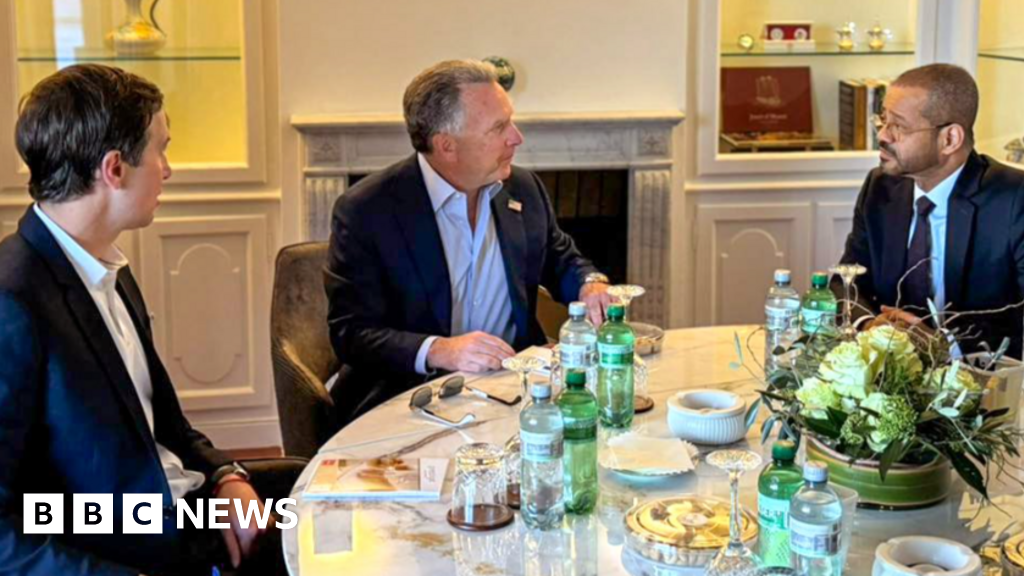
The recent progress would be difficult to imagine without the tireless efforts of mediators, chief among them Oman. Oman has historically served as a quiet but crucial diplomatic conduit between the West and Iran, leveraging its neutrality and strong relationships to facilitate dialogue. Omani Foreign Minister Badr Albusaidi's presence and subsequent meeting with US Vice President JD Vance in Washington underscore the breadth of these diplomatic efforts, specifically aimed at "staving off war with Iran." Oman's commitment to diplomatic resolution serves as a vital anchor in an otherwise turbulent region.
The US perspective, articulated by Vice President JD Vance, further clarifies the administration's position. While acknowledging President Donald Trump's consideration of military options, Vance emphasized a preference for diplomacy. He firmly rejected the notion that a strike on Iran would inevitably lead to a "protracted war," telling the Washington Post, "The idea that we're going to be in a Middle Eastern war for years with no end in sight – there is no chance that will happen." This statement, coming from a US Marine veteran who served in Iraq, reflects a strategic calculation aimed at limiting potential blowback and signaling a measured approach. However, Vance also made it clear that "it really depends on what the Iranians do and what they say," placing the onus for continued progress squarely on Tehran.
Adding another layer of complexity is US public opinion. A recent AP-NORC poll revealed that while many US adults continue to view Iran’s nuclear program as a significant threat, there is also a prevailing lack of high trust in President Trump's judgment regarding the use of military force abroad. This dynamic highlights the domestic political tightrope the administration walks, balancing a firm stance against nuclear proliferation with a clear public aversion to costly military entanglements.
Challenges and Prospects: The Path to Sanctions Relief and Stability
Despite the reported "good progress," the path ahead for **us iran nuclear discussions** remains fraught with challenges. The enduring trust deficit between Washington and Tehran is a formidable obstacle, stemming from decades of geopolitical rivalry and recent events, including the US withdrawal from the Joint Comprehensive Plan of Action (JCPOA). Iran's demands for full and verifiable sanctions relief, which it views as a fundamental right following its commitments, stand opposite the US and international community's insistence on robust, transparent, and verifiable limitations on Iran's nuclear capabilities.
Key challenges include:
- Defining "Full" Sanctions Relief: Which sanctions are on the table? Economic, oil, banking, or those related to human rights or terrorism?
- Durability of an Agreement: How can any deal be made resilient against future political changes in either country?
- Regional Dynamics: The broader regional tensions, proxy conflicts, and the concerns of allies in the Middle East inevitably cast a long shadow over these bilateral talks.
- Verification vs. Sovereignty: Balancing intrusive international inspections with Iran's assertion of national sovereignty.
However, the prospects of a successful outcome are significant. A revitalized diplomatic channel could not only avert a potential military confrontation but also unlock pathways for regional stability and economic benefits. For Iran, sanctions relief would provide a much-needed boost to its struggling economy. For the US and its allies, a verifiable cap on Iran's nuclear program would reduce proliferation risks and enhance global security. The ongoing dialogue, even if indirect, is a vital mechanism for managing one of the world's most critical geopolitical flashpoints.
The recent "good progress" in Geneva marks a crucial inflection point in `us iran nuclear discussions`. While the shift to technical talks in Vienna signals a deeper commitment to finding common ground, the challenges remain substantial. The intricate dance between sanctions relief and nuclear assurances, mediated by regional players like Oman and influenced by domestic pressures in both nations, underscores the fragility of this diplomatic opening. The coming weeks will be critical in determining whether this nascent breakthrough can evolve into a durable framework for peace and stability.